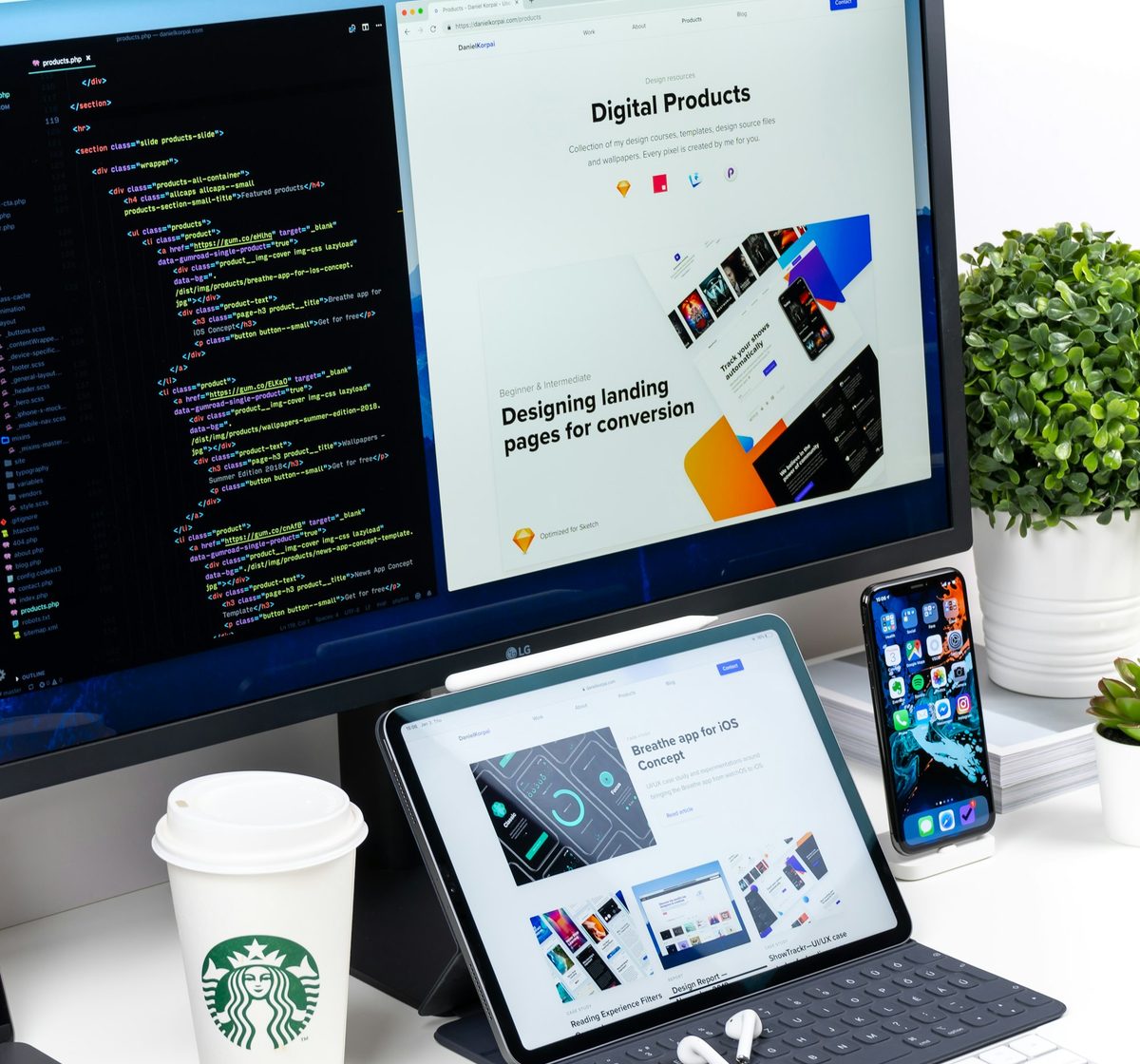
Design and development under one roof. No handoff between a designer who never sees the code and a developer who never saw the intent — which is where most of the quality leaks out.
Most agencies split design and build across two teams, sometimes two companies. The design gets approved as a picture, then quietly changes in development because nobody checked whether it was buildable.
We design in the browser as much as in Figma. The person choosing the type scale knows what it costs to render, and the person writing the CSS was in the design review.
Whether you need a five-page site that earns trust or a platform with a login and a database behind it.
Designed around your business and your customers, not adapted from a template that four hundred other companies also bought.
User flows, wireframes and interface design tested against how people actually move through a page before anything gets built.
Semantic, accessible markup and CSS that holds up on a five-year-old Android as well as a new MacBook.
Content structured properly so your team publishes into real fields instead of rebuilding layout every time.
Rebuilding an ageing site without losing the rankings, the content or the things that were quietly working.
Contrast, keyboard navigation, focus states and screen-reader semantics handled during the build rather than bolted on after a complaint.
Layout, hierarchy and calls to action arranged around the decision the visitor is actually trying to make.
Next.js front ends on a WordPress or commerce back end when the performance genuinely justifies the extra complexity.
Someone who knows your build well enough to change it safely, months after the launch party.
Our Process
You see progress every week on a staging link. Nothing is revealed at the end as a surprise.
Start With a CallWe learn the business, the customer and the competition before we design anything. Most of the value gets decided here.
Structure before decoration. We agree what goes on each page and in what order while it is still cheap to change.
Full visual design of the templates that matter, reviewed on real devices rather than as flat images.
Development against the design, with a staging link you can open any day of the week.
Migration, redirects, analytics, then thirty days of watching the real world use it.
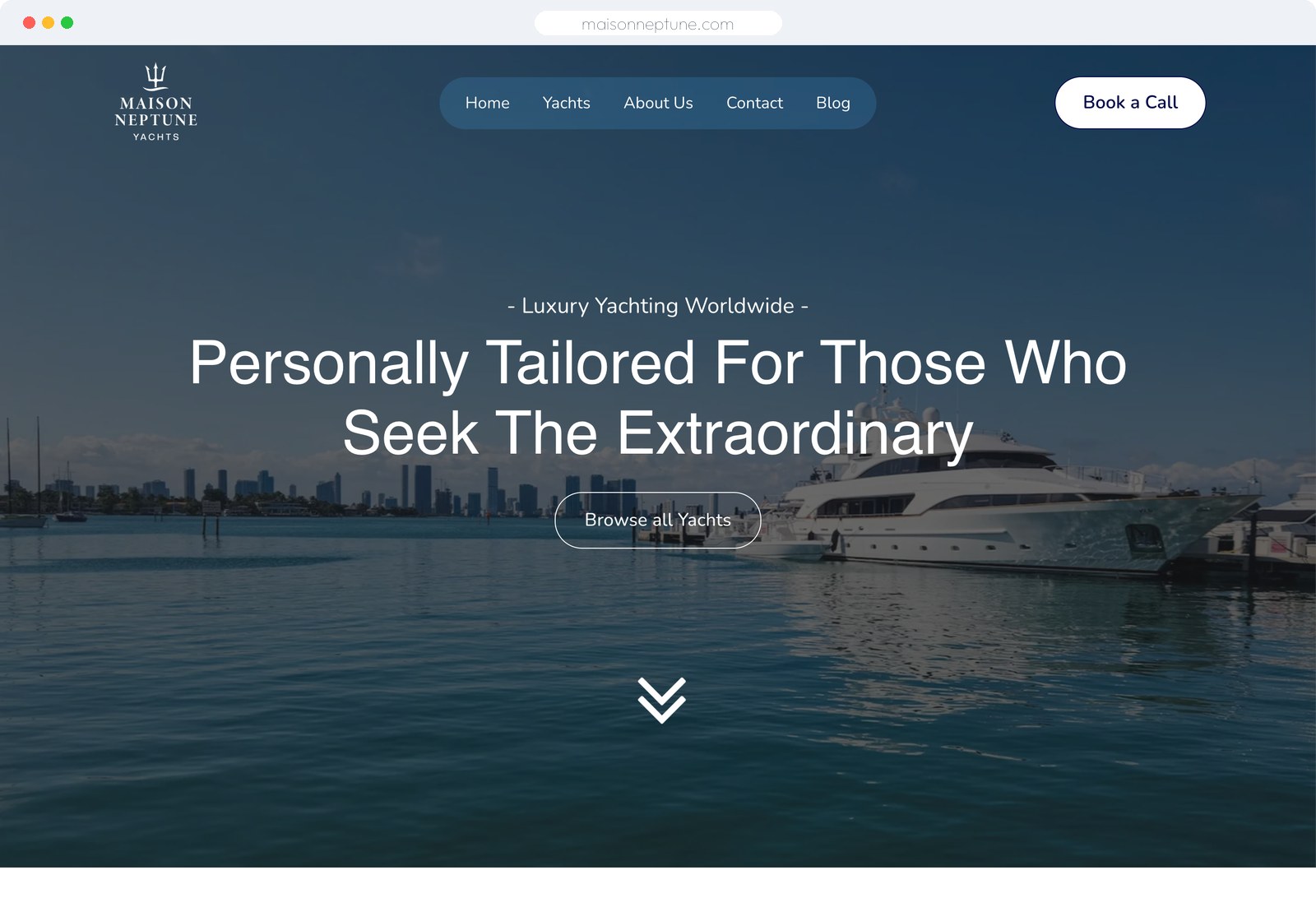
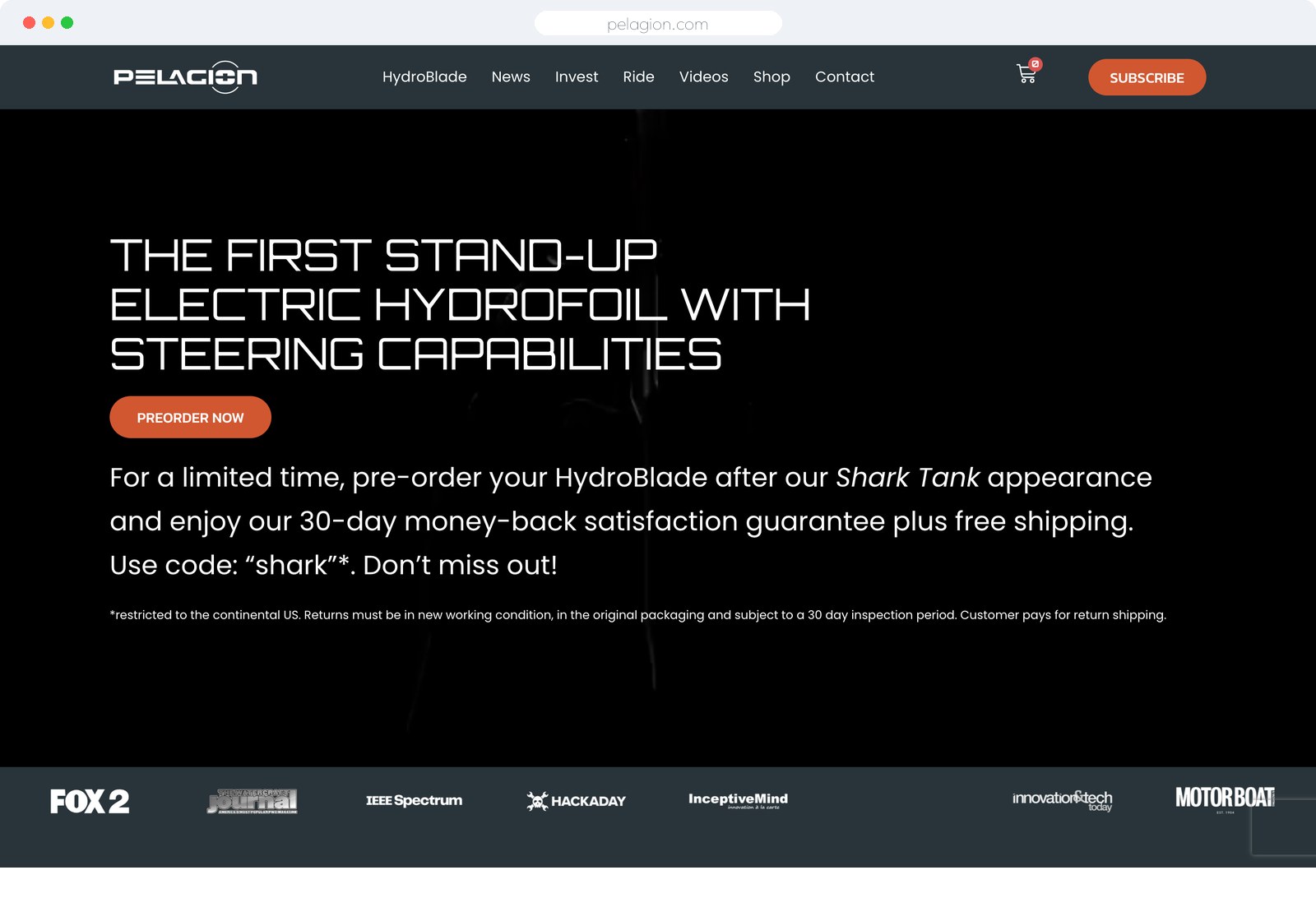
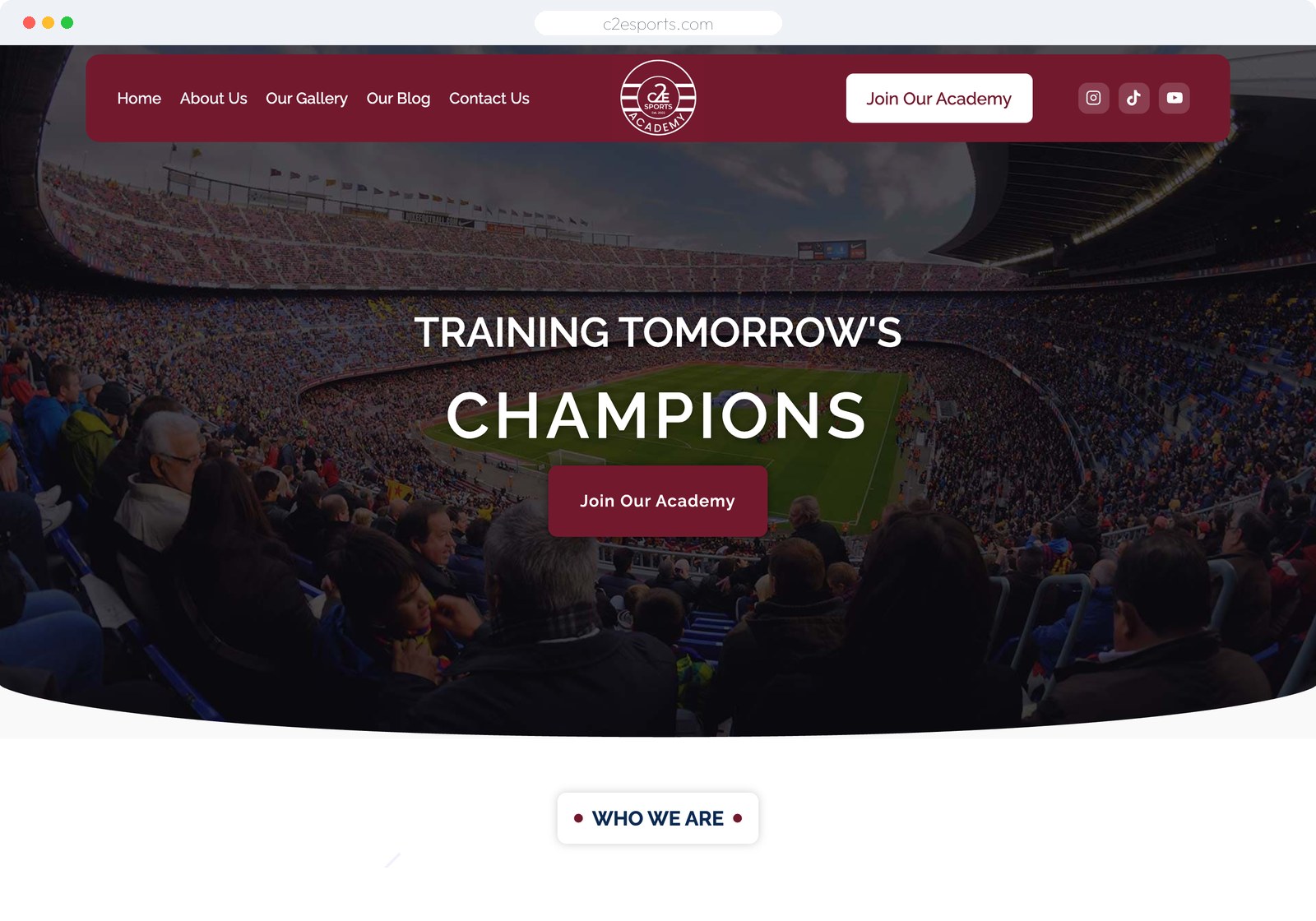
Three live sites where the design and the build were both ours. Different categories, same standard.
There is a place for templates. It is worth knowing what you give up.

Boring, well-supported technology. The exciting kind is somebody else’s maintenance problem in two years.
Written by hand where it matters. Semantic markup, modern CSS layout and just enough JavaScript to do the job.
Custom themes with structured fields, and Elementor where a client genuinely benefits from editing layout themselves.
For projects where the performance gain justifies the complexity. Gadget & Gear runs a headless front end on this stack.
Both, depending on the category, the volume and how much control you need over the checkout.
Lighthouse, WebPageTest and real-device testing, with Core Web Vitals treated as a build requirement rather than a report.
axe and manual keyboard testing during the build, because a site nobody can use is not finished.
All fixed price, all quoted after a discovery call, none billed by the hour.
Five to fifteen pages that establish credibility and generate enquiries. The bread and butter of a service business.
eCommerce, membership, booking or anything with a login and a database behind it.
For a site that works but looks its age, or converts badly despite the traffic being there.
Anything not covered here, ask on the call. We would rather scope it properly than surprise you later.
Ask Us DirectlyFour to eight weeks for most sites, from the discovery call to launch. The variables are how quickly content and feedback come back, not usually the build itself. You get a date at quote stage.
Not for design. Every site is designed for the business it belongs to. We do reuse our own build patterns and components, which is why the work is faster and more consistent than starting from nothing each time.
Time in the discovery call, feedback within a few days at each review, and content — or a decision to have us write it. Projects slip because content sits with the client, almost never for any other reason.
Yes. Most clients take us up on it, because writing your own website copy is harder than it looks. We interview you, write it, and you approve it.
It is designed on mobile first. More than half your visitors will be on a phone, and for some categories it is closer to eighty percent. We review the mobile layout before the desktop one gets signed off.
Technical SEO foundations are part of every build: structure, speed, schema, clean URLs and indexable content. Ongoing SEO campaigns are a separate service, and we will tell you honestly whether you need one.
Completely. Your hosting, your domain, your code, your content. No proprietary framework, no licence tied to us. If you want to move to another agency you can, and nothing breaks.
Thirty days of support is included with every build. After that you can take it in-house, come back as needed, or move onto a care plan. There is no obligation either way.
Yes, and usually we prefer to. If you have brand guidelines we design within them. If you do not, we will establish enough of one to keep the site coherent.
It depends on page count, functionality and whether we are writing the content. You get a fixed, itemised quote after the discovery call — not an hourly rate that grows.
Book a free call. We will look at what you have and tell you honestly what we would do with it.