Theme development, app stacks, migrations and checkout work for brands that need the store to carry real volume. We have built on Shopify since before it was the obvious choice.
Most Shopify sites we are asked to fix were launched from a purchased theme with fourteen apps bolted on. It looked fine on day one. Then the catalogue grew, the page speed collapsed, and the checkout started losing people.
The work below is what separates a store that trades from a store that merely exists.
Whether you are launching, replatforming or rescuing a store that has stopped performing.
Built in Liquid against your brand, not a marketplace theme with your logo dropped in. Faster, easier to extend, and yours outright.
WooCommerce, Magento, BigCommerce or a legacy custom build moved to Shopify with URLs, SEO equity, customers and order history intact.
Cart, upsell, bundling and post-purchase flows. On Shopify Plus we extend the checkout itself; on standard plans we work the routes that are available.
Most stores are paying monthly for apps that duplicate each other and slow the site down. We replace what we can with native code and cut the rest.
Core Web Vitals work specific to Shopify: script deferral, image handling, theme bloat, and the app tags nobody removed after the trial ended.
Collection architecture, faceted navigation that does not spawn duplicate URLs, product schema, and content on pages that currently have none.
ERP, 3PL, accounting, subscription billing, loyalty and marketplace feeds wired through the Admin API rather than a spreadsheet.
Shopify Markets set up for international selling — currencies, duties, local domains and translated storefronts that search engines can read.
Ongoing merchandising, campaign landing pages and seasonal work for teams without an in-house developer.
How A Build Runs
A typical store takes five to nine weeks depending on catalogue size and how much data has to move.
Start With a CallWe map how you actually sell before we design anything: products, variants, margins, shipping rules and the customers you want more of.
Wireframes then full design for the pages that matter most — home, collection, product, cart. Mobile first, because that is where the orders are.
Custom theme development with sections your team can rearrange in the Shopify editor without calling us every time.
Products, customers, orders and URLs moved across with redirects mapped so search rankings survive the switch.
Real orders through real payment methods on real devices, including the awkward combinations people actually use.
We go live with you, watch the first days of real traffic, and fix whatever the real world turns up.
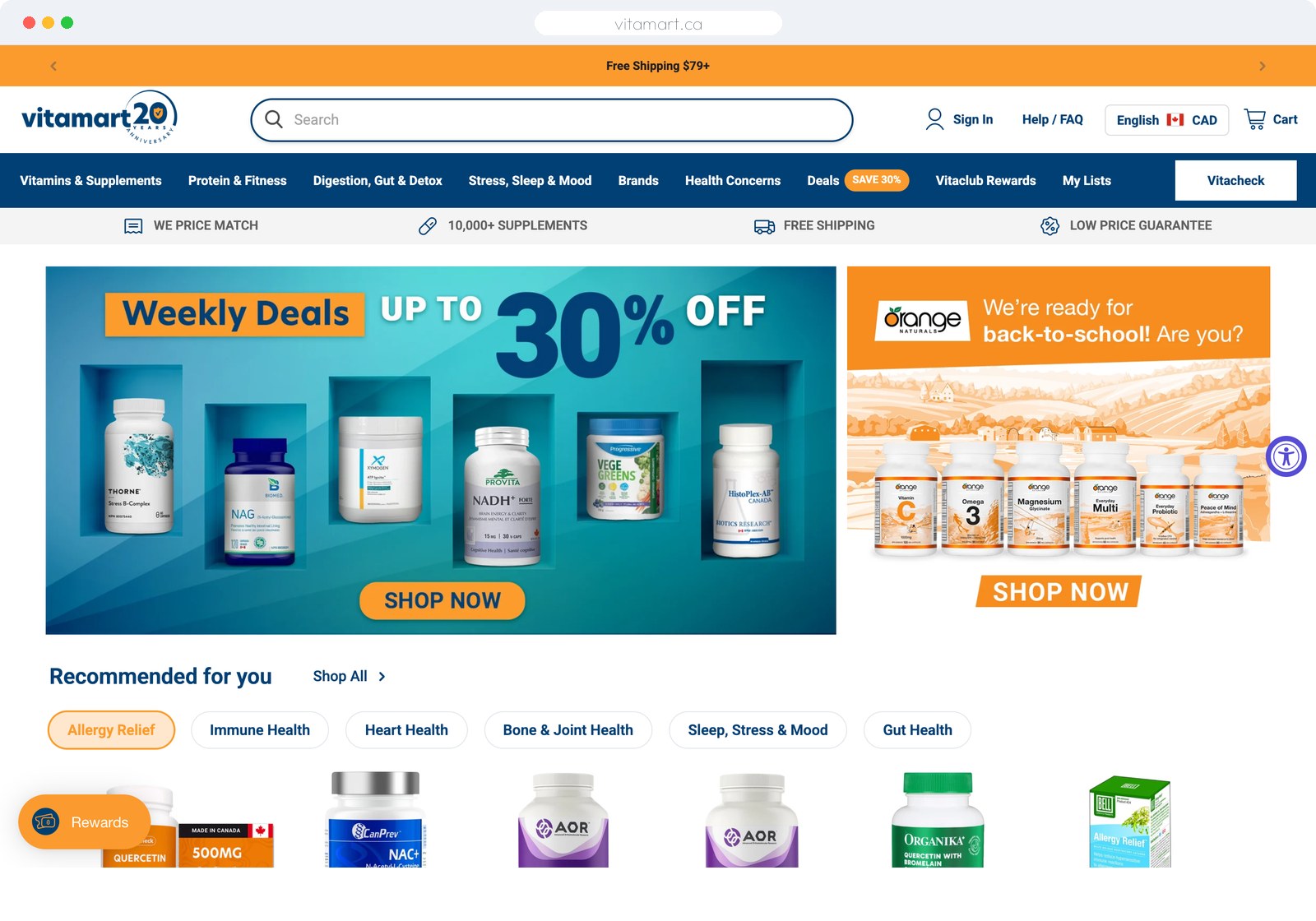
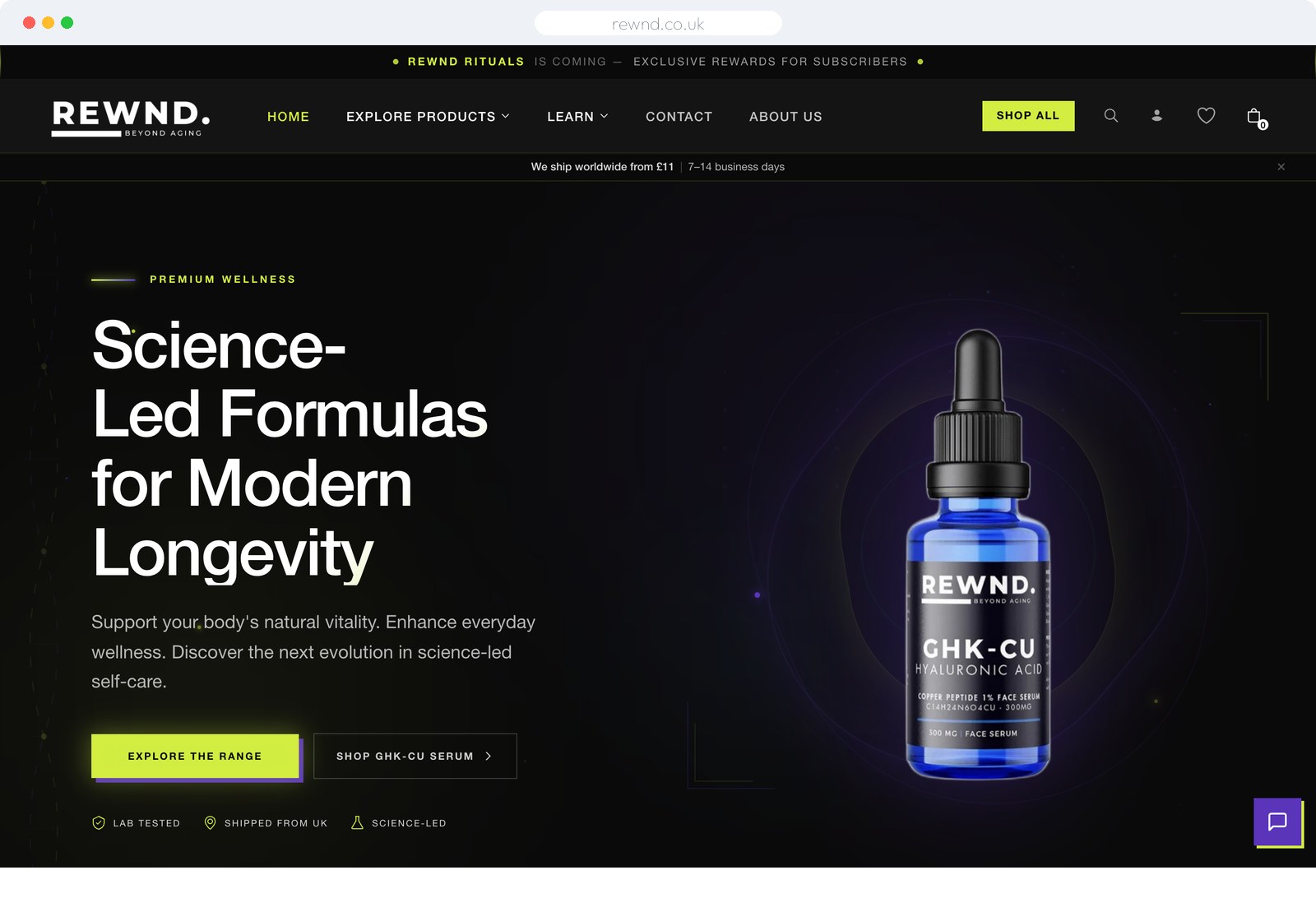
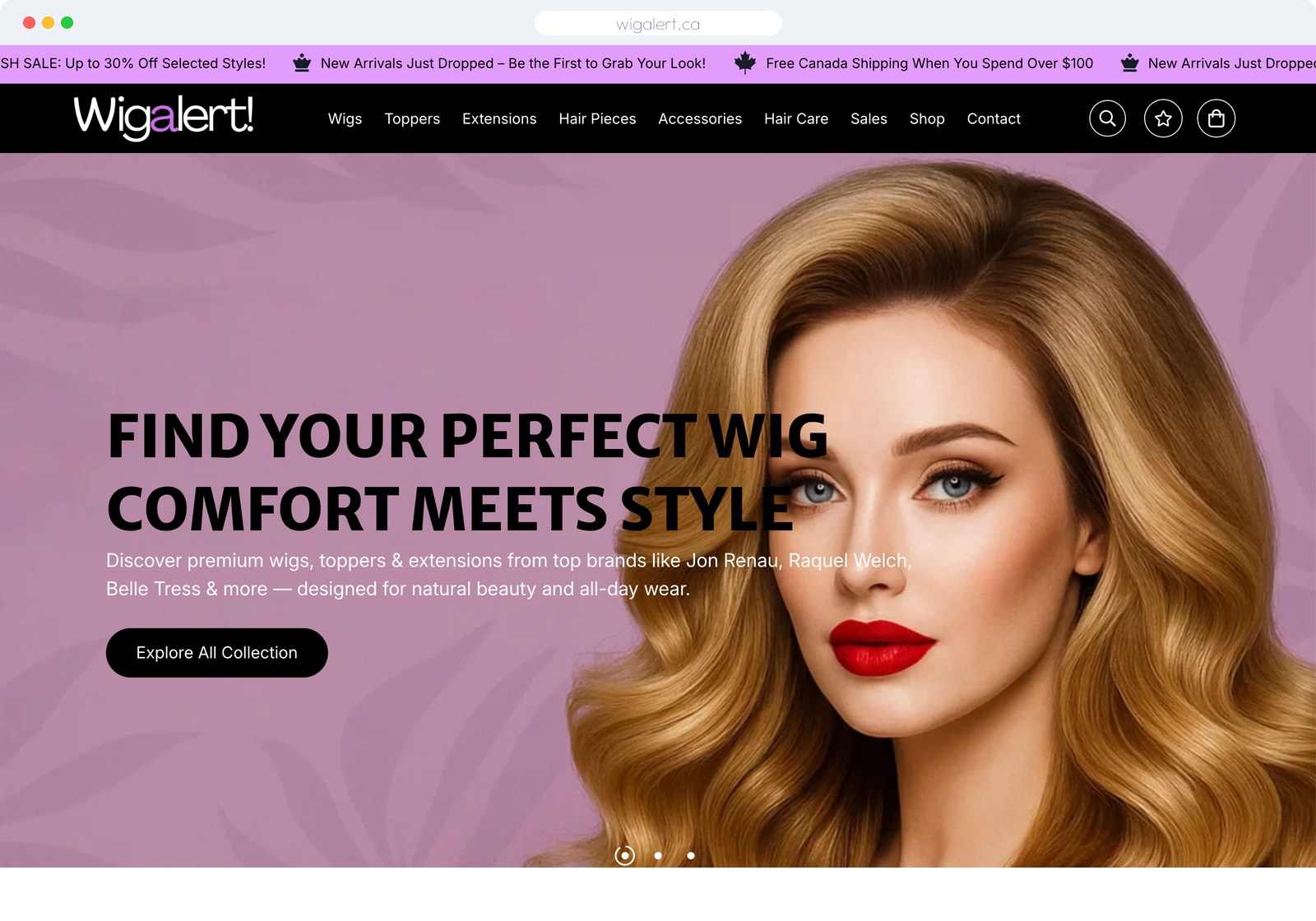
Three live Shopify storefronts. Open them, add something to a cart, see how they behave on your phone.
We build on both. This is the honest version of the comparison, not the one an agency gives when it only knows one platform.
Chosen because they hold up, not because there is an affiliate commission.
Custom themes in Liquid for most stores, Hydrogen and the Storefront API when a headless build genuinely earns its cost.
Recharge, Shopify Subscriptions and bundle apps configured so recurring revenue does not fight the checkout.
GA4, server-side tagging and Shopify reporting set up so the numbers in three places actually agree.
3PL, ShipStation, accounting and inventory systems connected through the API rather than a nightly CSV.
Klaviyo flows wired to real store events, so abandoned cart and post-purchase actually fire on the right trigger.
Shopify Markets for cross-border selling, plus age gating and regional restrictions where the category needs them.
Every one starts with a call and a fixed, itemised quote. No hourly surprises.
A complete storefront from design through to launch, built around your catalogue rather than a theme demo.
Moving to Shopify from Woo, Magento, BigCommerce or a custom build without losing rankings or history.
For a store that already trades but is slow, leaking conversions or drowning in apps.
Ask anything that is not covered here on the call. We will tell you if Shopify is the wrong answer for you.
Ask Us DirectlyFive to nine weeks for most stores. A small catalogue with clean data can be quicker; a migration with fifteen years of order history and complex variants takes longer. You get a date at quote stage, not a range.
If budget is tight and your catalogue is simple, a good theme is a sensible start and we will say so. The trouble comes later: themes are built for everyone, so every change fights the template, and the app bloat that follows is what kills the speed.
Not if the migration is done properly. Rankings are lost when URLs change without redirects and content gets thinned in the rebuild. We map every old URL and check SEO parity before go-live, not after.
Most brands do not. Plus is worth it for checkout customisation, high order volume, multiple storefronts or B2B. We will tell you honestly whether you are near that line, because we have no incentive either way.
Usually, yes. Most stores we audit are paying for apps that overlap or do something a few lines of Liquid would handle. Removing them saves the monthly cost and speeds up the site at the same time.
You do. It is your Shopify account, your theme code, your data. We are collaborators on your store, not the account holder. If you leave us, nothing switches off.
Sometimes. Shopify has firm rules about what may be sold on the platform, and some categories are better served on WooCommerce where you control the processor. We will tell you before you commit, not after your store is suspended.
If you want. Some clients take the keys and run it themselves after training. Others keep us on for merchandising, campaign pages and seasonal work. Both are fine.
Shopify Markets handles currencies, duties and local domains well. The part that usually gets missed is translated content that search engines can actually index, and that is build work rather than a settings toggle.
It depends on catalogue size, how much data has to move and how much design is bespoke. You get a fixed, itemised quote after the discovery call so there are no hourly surprises halfway through.
Book a free call. Bring your catalogue and your current numbers and we will tell you what we would do first.